
· The Nodly team
Neck massager safety, in the order it matters
This is the least interesting page on the site and the one most worth reading once. Almost all of it is common sense stated plainly, and the small part that is not tends to be the part people find out the hard way.
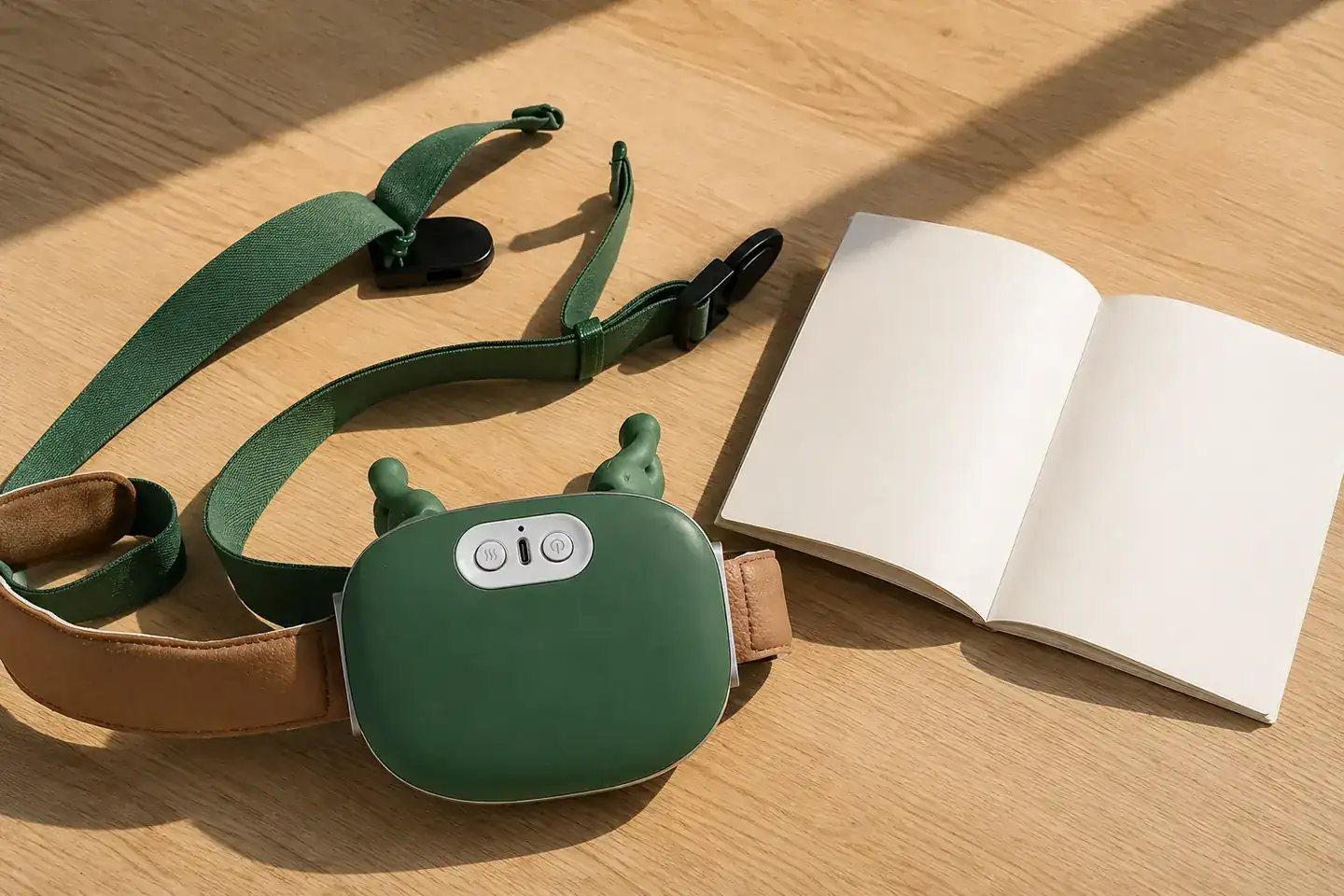
Neck massager safety: the short list
| Keep it off | Why |
|---|---|
| The front and sides of the throat | There is no muscle to work there, and a great deal that is not muscle |
| Directly over the spine | Pressure belongs on the muscle either side of the vertebrae, never on the bone |
| Broken, bruised or inflamed skin | Pressure and warmth are the wrong direction over inflammation |
| Any area that is swollen | Same reason, and swelling is a signal worth understanding first |
| A recent injury | A device cannot tell a contracted muscle from a damaged one |
| Anywhere it feels sharp rather than firm | Firm is the goal; sharp is the signal to stop |
Who should ask first
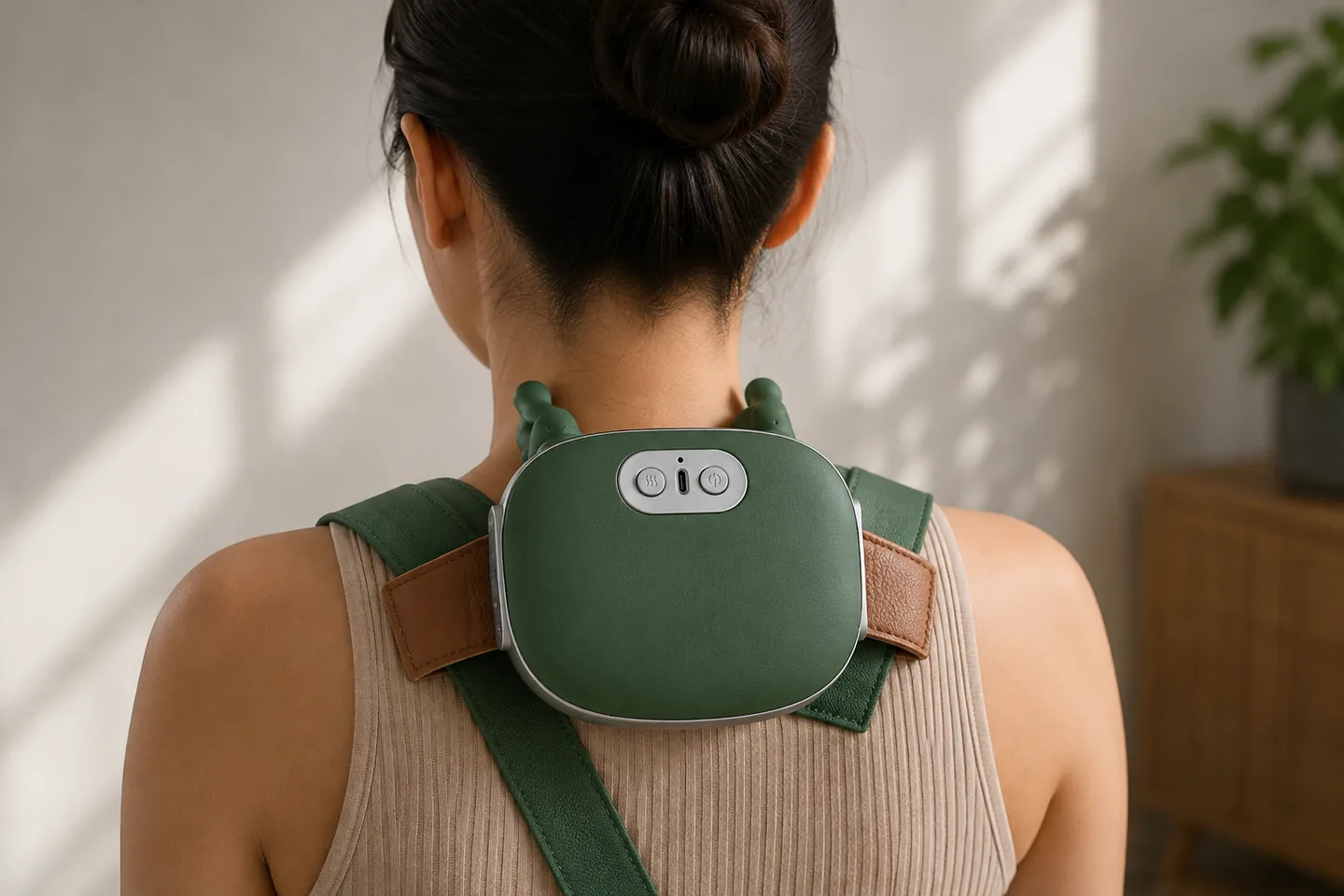
Some situations are not about where you put the device but whether to use one at all without asking. If you are pregnant, have a pacemaker, a defibrillator or any implanted device, have had recent surgery on the neck, shoulders or back, are being treated for a neck condition, or have a circulatory condition, put the question to your doctor before using any massage device. That is not us being cautious about a product; it is the ordinary answer, and it is faster to ask than to guess.
The same applies to a symptom rather than a situation. Pain that is sharp, pain that radiates down an arm, pins and needles, weakness in a hand, or pain that follows a fall are all questions for a clinician. The manual supplied with ours states plainly that it is a personal care item and cannot replace medication or medical equipment, and that sentence is doing real work: it marks the boundary of what any device in this category is for.
Heat has its own rules
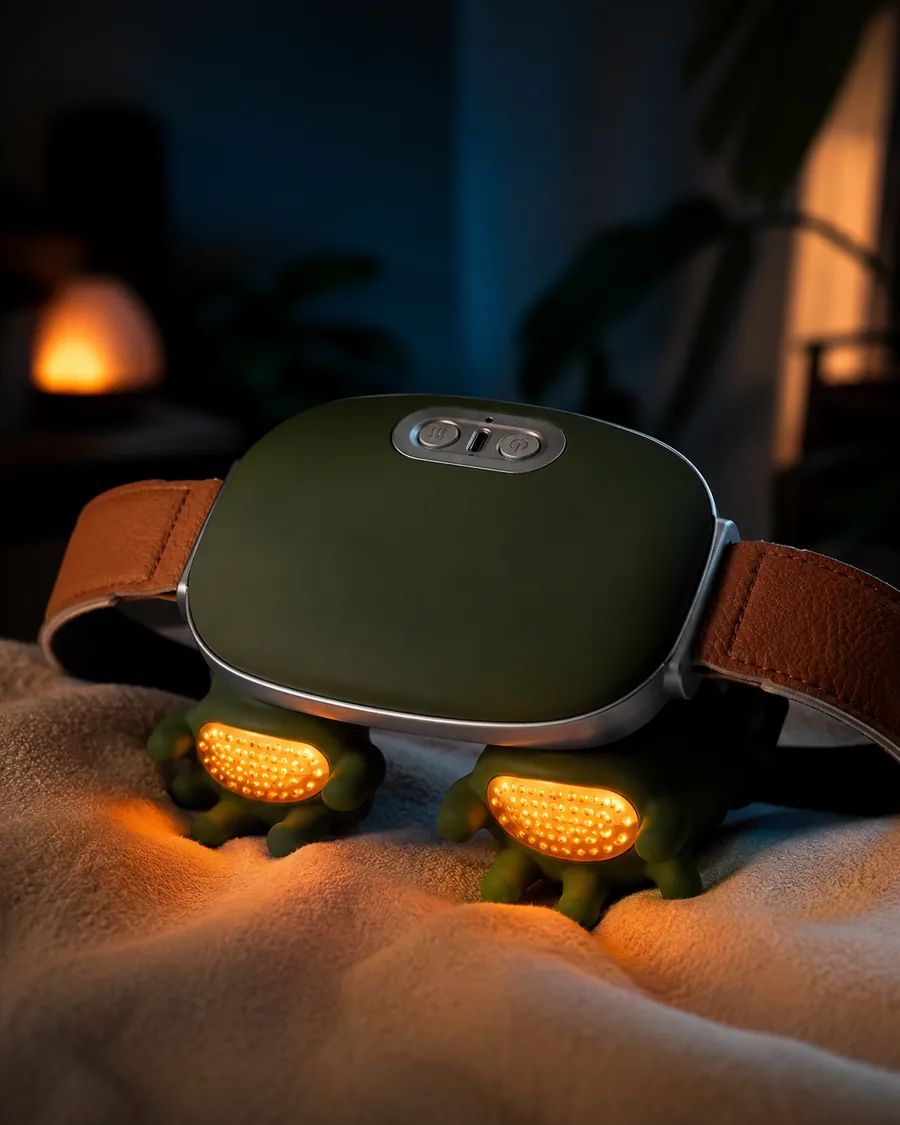
Warmth is the part people are least careful with, partly because it feels benign. Two things are worth holding on to. Do not use heat over an area that is already inflamed or swollen — warmth pushes in the wrong direction there, and the kneading on its own is the better session. And if reduced skin sensation is a factor for you, whether through a condition or through medication, treat any heated device with extra care, because the usual signal that something is too hot is the one you cannot rely on.
On ours the heat is a separate control with two levels, given in the manual as 42 °C (108 °F) on low and 45 °C (113 °F) on high, cycled with a dedicated key that goes low, high, off. Being able to run the kneading with the heat switched off is a genuine safety feature rather than a convenience, and there is more on when to use each on the heated massager page.
Session length, and why it is decided for you
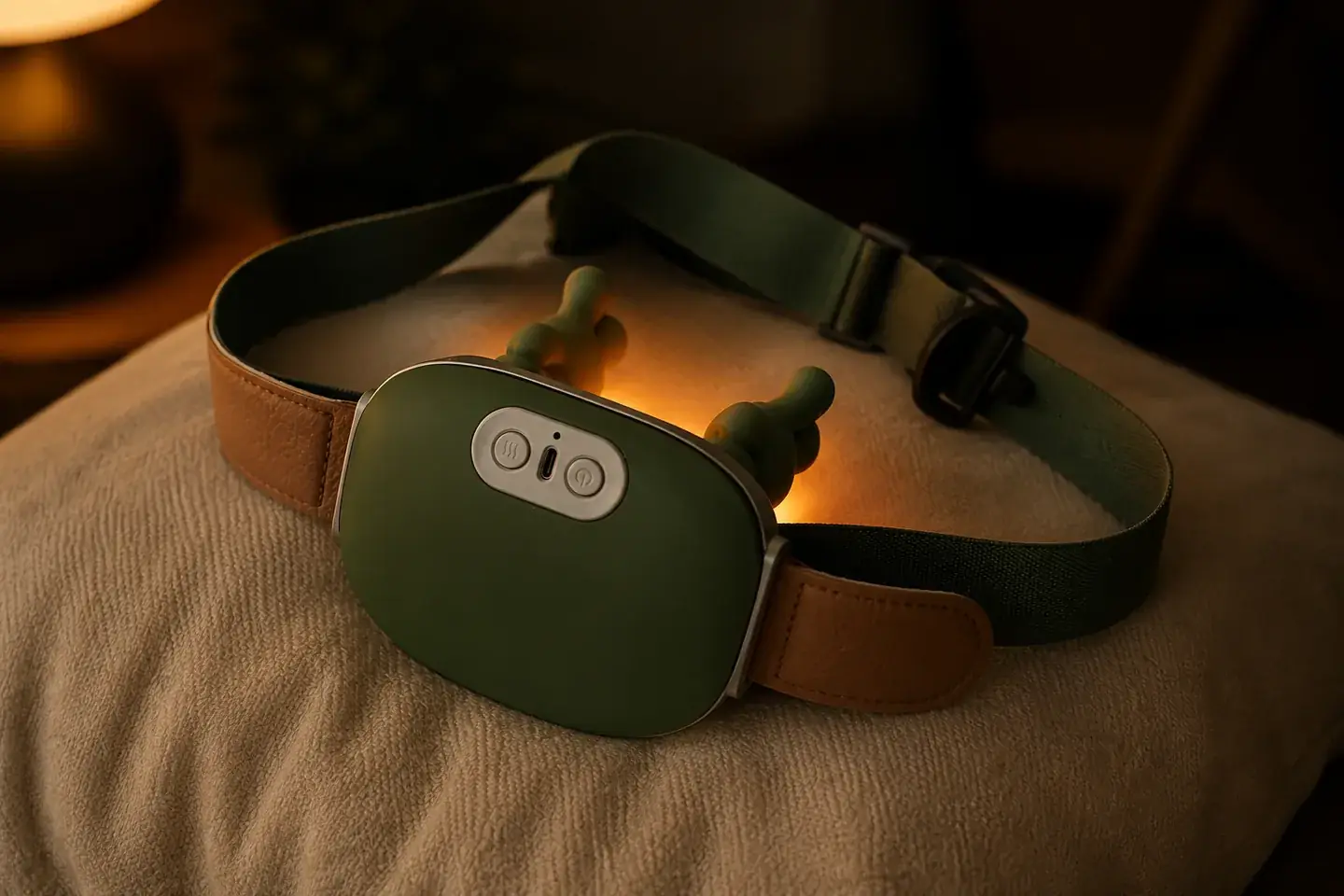
A session on ours runs ten minutes and the device shuts off on its own, which removes the most common way people overdo it. In the first week, the thing worth resisting is starting a second session straight away: one buyer advises staying between fifteen and thirty minutes in total the first few times, which is sensible while you learn how the firmness suits you.
Firmness itself is worth easing into. Start on the first mode with the strap buckled a little loose. Buyers who found the device too strong almost always began at the top, and one describes it as effective and very powerful but not unpleasant while noting it may be too strong for some. There is fuller guidance in how often to use it.
The ordinary electrical side of neck massager safety
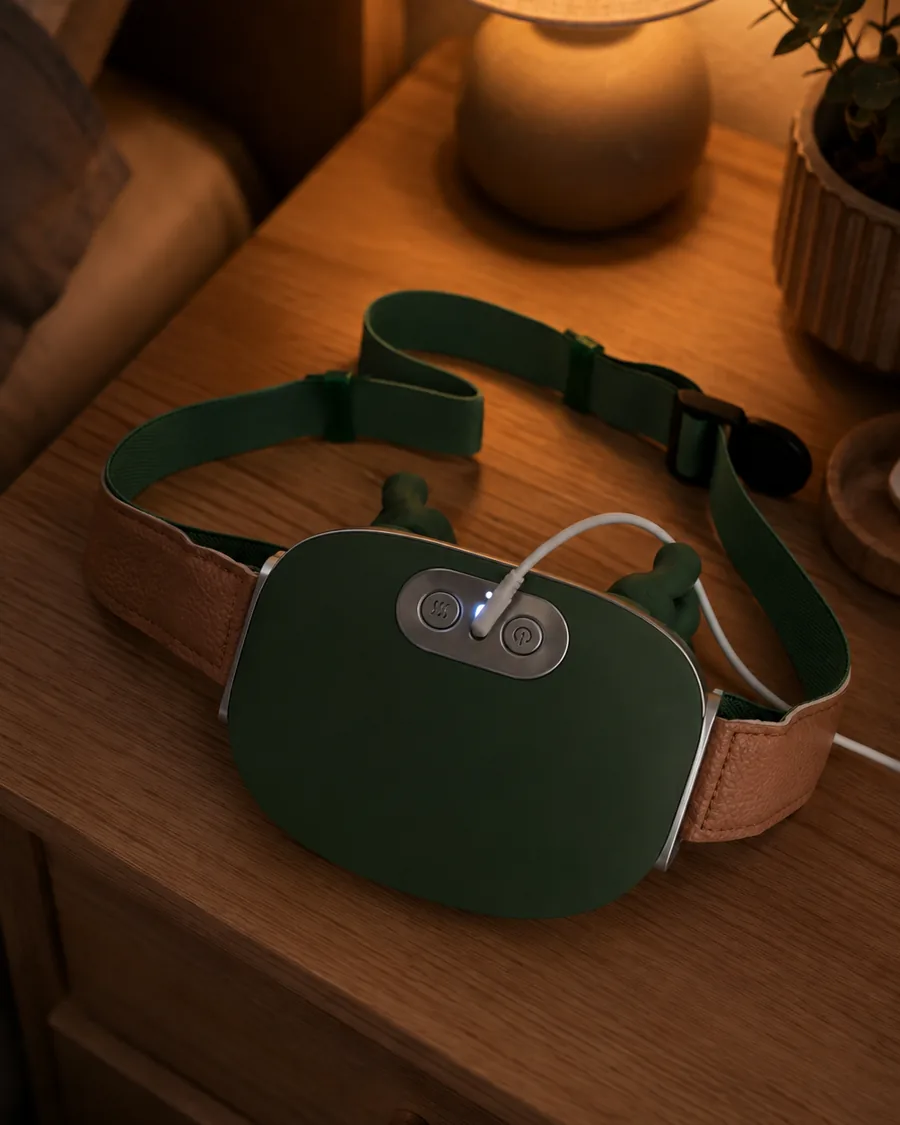
Nothing surprising, but they belong on the list. Do not use it in the bath or shower or with wet hands. Do not use it while it is charging — ours does not run while plugged in, which settles the question by design. Do not use it while driving, and do not fall asleep wearing it. Keep it away from children and from anyone who cannot tell you that something is uncomfortable. Charge it in a place where it is not covered, and keep it out of a hot car in summer.
One more, from the manual rather than from us: this is a device with a lithium battery and a heating element, so if the housing is damaged or the strap is fraying, stop using it rather than working around it.
What the reviews add to the manual on neck massager safety
Buyer reports fill in the practical corners that a manual does not cover. The one that comes up most is that it arrives with an empty battery, so the first session waits about three hours. The one that matters for expectations is that the arms do not open wide enough outwards to sit flat against the upper back — a buyer reported it, so it is on the product page rather than buried. And a small ergonomic note: changing mode once the device is already on your neck means raising an arm, so set what you want before you settle back.
For context on how common the underlying problem is: the Health and Safety Executive recorded 211,000 work-related musculoskeletal cases principally affecting the upper limbs or neck in Great Britain in 2024/25, averaging 11.4 days lost per case. A device is a comfort measure alongside the ordinary advice about posture, breaks and movement, not a substitute for any of it.